
2025 feels like a real turning point for fashion and luxury. From the constant reshuffling of creative directors to the speed at which technology is now shaping how brands operate, it’s clear the industry is entering a new phase both online and offline.
Growth is slowing, customers are more price-aware, and the old levers that once drove easy scale (heavy paid media, wholesale expansion, and predictable seasonal discounting) simply don’t work in the same way anymore, which means brands can’t rely on “business as usual” and expect the same returns.
In my view, the brands that will win are the ones that diversify revenue, upgrade their tech stack, and build much deeper, more human customer relationships.
This week, I’ll share five key shifts I believe will shape 2026, based on what we’re seeing day-to-day with clients, insights from Web Summit 2025, and the latest Business of Fashion State of Fashion 2026 report. First up is brand marketing and why it matters more than ever.
Community & In-Person Events Will Outperform Pure Performance Marketing
We’ve seen this shift building for a while, but 2026 will see more brands embracing in-person events. Paid media will no longer be the sole growth engine, and community along with in-person experiences will play a much bigger role.
This isn’t about influencer-heavy events, but more about genuine customer experience, inclusivity and giving people a reason to feel part of something. As ad costs rise and consumer scepticism grows, intimate brand experiences will become a key differentiator, particularly in the luxury and premium space.
Sports brands like Lululemon, Nike and Adidas have led with community for years through run clubs and local events. More recently, brands like Odd Muse and Batch LDN have built strong founder-led narratives that allow customers to buy into the story, not just the product. Luxury has also focused on brand marketing from Jacquemus’ destination-led beach club concepts to Burberry’s immersive Ibiza activations.

What we’re seeing:
- Black Friday and discounting are losing impact due to consumer fatigue
- Loyalty is increasingly driven by emotion and exclusivity, not offers
- Brands that create connection, not just campaigns, are outperforming their peers
How this translates for your brand in 2026:
If your budget doesn’t stretch to a beach takeover (most don’t), there are still powerful ways to build community:
- Private shopping evenings
- Trunk shows in key locations
- VIP exclusives and capsule collections
- Early access and private previews
- Invite-only events
- In a world that seems to be heavily focusing on AI and technology, community is going to be even more essential. The brands that win will be the ones that create genuine connection and a sense of belonging, both online and offline.
- But that only works if you truly understand your customer.
From top-spending VIPs to future brand advocates, a robust customer data strategy is essential. If you’d like help segmenting, profiling and turning your data into growth, get in touch.
Search Will Move Beyond Google
SEO + GEO + LLM’s
Search is changing quicker than most brands realise. With AI assistants, LLMs and voice-led discovery becoming part of everyday behaviour, traditional SEO on its own is no longer enough. “GEO” Generative Engine Optimisation is the industry’s new buzzword, and optimising for generative platforms will be as important, if not more so in 2026.
Shopify has recently announced a new partnership with OpenAI, which brings advanced AI tools directly into the Shopify platform. This means Shopify stores will soon benefit from smarter search, better product recommendations and improved automation. It’s still early days, but this is the first step towards deeper integrations and a more “AI-searchable” ecommerce.
What this means:
Fashion brands will need to ensure their websites, products and content are:
- Machine-readable
- Structured with metadata
- Written in customer language
- Accessible via APIs
- Supported by complete product feeds
Why this matters for ecommerce, especially fashion:
Shoppers won’t just type keywords; they’ll ask specific questions.
“Show me the best made-to-order dresses that ship to London before next Friday.”
“Find linen shirts under £200 in Italian fabrics only.”
“Which British brands offer tailoring and repair services?”
These answers won’t only come from Google. They’ll come from AI assistants built into your phone, wearable tech, your browser and your shopping apps. If your data isn’t structured, you simply won’t appear.
What Shopify brands should do now:
If SEO hasn’t been a focus, 2026 is the year to fix it. Start with the basics:
- Make sure all images have alt tags and descriptions.
- Check all pages are indexed and error-free.
- Update product titles with clear product attributes (fabric, colour, silhouette, occasion).
- Strengthen product descriptions with material, fit, origin, sustainability and care details.
- Create a consistent taxonomy and tagging structure across your store.
For fashion brands, where discovery often happens by intent or occasion rather than brand name, this will become a key factor in the growth of the brand.
The art of AI Imagery
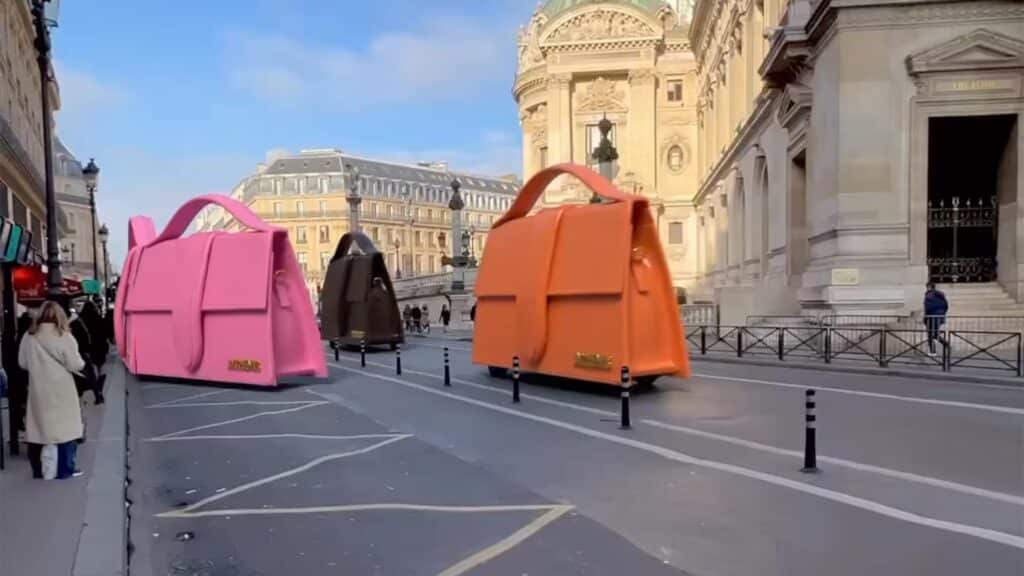
AI imagery is no longer just a novelty. Over the past 18 months, luxury brands such as Gucci, Valentino, Moncler and Jacquemus have begun experimenting with generative-AI campaigns, using tools like Midjourney, Nano Banana or other AI-image engines to produce high-impact visuals, often faster and at a fraction of the cost of traditional shoots.
What does this mean for creative content in 2026?
The ability to refresh ad creative frequently, test different visual concepts rapidly, and react to trends will become a new competitive edge. Luxury brands no longer need to wait months for a photoshoot, they can now rapidly generate multiple creative images or videos and test what resonates with their audience.
The biggest shifts in 2026 will be
Creative agility – AI-generated visuals make it possible to refresh ad creatives far more quickly, helping to avoid fatigue. Especially with Meta’s Andromeda update, which increasingly penalises repetitive assets.
Creative experimentation– From surreal, art-driven visuals similar to Jacquemus to subtle retouching of images, brands can test different visual identities quickly.
Cost efficiency – AI allows luxury brands of any size to experiment without committing fully to the cost of high-end still-lives or runway shoots. Although some images and visual may not yet have the look and feel of a traditional shoot, the quality of AI creative is improving every day.
Global Markets – Imagery can be adapted for different markets, segments or customer journeys, which enables more tailored ad creatives or email visuals that speak to different customer profiles.
For paid ads, email marketing or CRM, this shift is especially powerful. Faster creative variation can feed fresh ads, dynamic email campaigns or personalised visuals for high-value segments.
AI imagery may not replace the artistry and craftsmanship of traditional photography, but in 2026 it could become a strategic tool for brands that want to stay visually agile, test carefully, and scale smarter.
We’ve been testing this out with selected clients and we will be working more on refining this in 2026.
Will Your Customers Be Wearing Smart Glasses in 2026?
On a recent trip to London, I saw adverts already appearing for this category, and that is smart eyewear. Not clunky frames, but finally some designs people actually want to wear.
Wearable tech isn’t new. Smartwatches are part of everyday life now, and the rise of Oura Rings and Whoop straps means we cans track almost everything with a tap. But an entirely new category, fashion-led smart eyewear, will become integral in 2026.
This has been coming for years. Performance sports brands were early adopters, but the Ray-Ban x Meta collaboration marked a real turning point. Smart glasses now look like something people actually want to wear. Sleek, premium, and with AI seamlessly built in.
At Web Summit, Qualcomm’s CEO predicted that 6G will accelerate a new wave of smartglasses, and the partnerships forming behind the scenes confirm it. Google is reportedly working with Kering, Warby Parker and Gentle Monster, meaning luxury smart eyewear may actually come to fruition in 2026.
This time next year, many of us may be wearing smart glasses…or adding them to festive wishlists, I know I will!
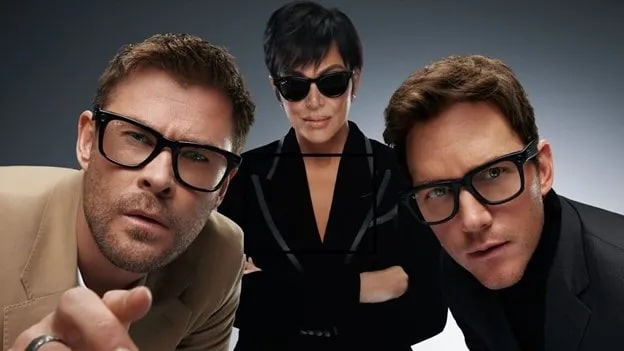
The most exciting shift this year is that smart glasses no longer look like tech, but they look like stylish accessories. And 2026 will only accelerate the arrival of even more wearable versions.
Smart glasses will be like having a PA at all times, and can currently
- Translate languages
- Send and receive messages
- Transcribe meetings
- Capture content
Act as hands-free AI assistants
And the category is expected to exceed $4.1 billion by 2030, which is a huge signal for fashion and luxury brands that this shift could be a profitable new category which creates several opportunities.
1. New collaboration opportunities
Designer x tech partnerships will accelerate. Think the impact of Gucci x Oura, but on eyewear and fashion-led hardware. Design and craftsmanship will matter just as much as the technology inside.
2. A new product category – fashion-tech accessories
This opens the door for eyewear brands, jewellery brands, and luxury houses to create tech accessory collections. Those who already make accessories are in a strong position to gain from this.
3. AI-assisted customer journeys
In-store navigation, real-time product information, AI styling recommendations. Smart glasses will eventually change how customers interact with brands IRL.
How to get ahead? If you’re in a position to explore tech accessories for Q4 2026, this is the moment to start. For everyone else, the focus shifts back to discoverability, which links back to my prediction on GEO and AI-search. As LLMs and visual search drive how customers find products, brands with clean product data, structured metadata and strong visuals will be surfaced first.
Will Your Customers Be Wearing Smart Glasses in 2026?
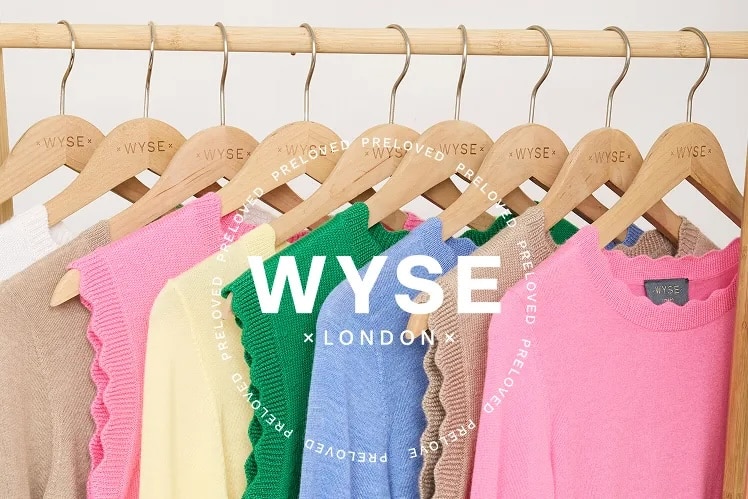
The resale market has accelerated far faster than many expected. Vinted’s recent valuation, reportedly in the region of €80 billion, is a clear signal of just how valuable second-hand fashion has become. But it also highlights a problem for brands as much of that value is being captured outside of their own company. Let’s run thorugh a recent resale example that I came across on LinkedIn and one that inspired this email.
WYSE London spotted resale demand by watching customer behaviour. Their customers were already trading WYSE pieces on Vinted, so instead of losing that value, they acted.
They launched WYSE London Preloved, their own peer-to-peer marketplace, and the results were impressive:
- A 67% drop in Vinted listings as customers moved back to the brand
- 2,000+ listings in the first month, with continued momentum
- A 65% sell-through rate, with customers paid out in store credit, meaning every resale becomes a future full-price or new-season purchase
- Even before launch, 4,000 customers were already on the waitlist, ready to participate.
Why did it work? Because it was simple, trusted and on-brand. Customers could create listings easily and the customer experience was seamless.
This example shows the strong appetite for resale, but the opportunity goes beyond the platform itself. When brands bring resale in-house, they unlock lower-AOV entry points, longer customer lifecycles and more meaningful ways to communicate without relying on discounting their full price offering.
Successful resale strategies depend on strong segmentation and lifecycle thinking, similar to loyalty programmes. Brands need to identify which customers are most likely to resell, which are likely to repurchase, and how resale buyers can be nurtured into full-price customers over time. Email and CRM play a critical role here from automated flows to prompt resales of purchases and resale launches to credit incentives that bring customers back.
Paid media strategies also need to change, with resale used as a way to attract new customers through different messaging. When done well, resale can support long-term growth rather than cheapening the brand but only if it’s treated as part of a wider growth strategy, not a one-off initiative.
This is where we support brands. We don’t build resale platforms (we can suggest partners) but we help make resale commercially successful by designing CRM and segmentation strategies, building email journeys, and aligning paid media to acquire and retain the right customers.